Parousia
Presence, Authority, and Covenant Fulfillment.
Why This Study Exists
Greek: παρουσία (parousia) — presence, arrival into presence, official visitation. It is a relational and governmental term, not a technical label for a distant cosmic return.
Few biblical words have been reshaped more by later theology than parousia. In modern usage, it is often treated as shorthand for a postponed event, detached from the people to whom it was written and the covenant crisis it addressed.
This study restores parousia to its first-century setting: the public manifestation of Christ’s royal authority during the covenant transition from the old Mosaic world to the New Creation.
Parousia in Ordinary Greek Usage
In everyday ancient Greek, parousia described presence rather than absence. It was commonly used for the arrival of an authority figure whose presence now carried immediate consequences for the community.
- Arrival resulting in enduring presence.
- The official visitation of a ruler, king, or general.
- Authority being actively exercised within a city.
A ruler’s parousia was not a momentary, fly-by appearance. It meant governance, accountability, judgment, and the reordering of the society.
The Emperor's Parousia (Historical Context)
In the first century, when a Roman Emperor or King made a formal parousia to a province, the event was so world-altering for that city that they would frequently mint new coins to commemorate it, cancel outstanding debts, and start a brand new calendar from that exact date.
When the Apostles used this specific word, they were declaring that Christ's imminent arrival in judgment would officially close the old age and fully inaugurate the new age. The "calendar" of the Old Covenant was ending.
What Parousia Never Meant
Nothing in the Greek word itself implies:
- A delay spanning thousands of years.
- A physical descent through the atmospheric sky.
- The end of the material universe.
- The removal of believers from the earth (Rapture).
Those ideas come from later doctrinal systems, not from the word or its biblical usage.
Audience Relevance Is the Control
Every New Testament reference to the parousia is addressed to living, first-century communities. The writers speak as participants, not distant observers.
- “We who are alive and remain until the parousia of the Lord” (1 Thessalonians 4)
- “The parousia of the Lord has drawn near” (James 5)
- “This generation will not pass away” (Matthew 24)
These statements only make grammatical and logical sense if the parousia belonged to their historical horizon. To push it into our future is to make the Apostles false prophets.
Hebrew Background: “Coming” as Covenant Action
While parousia is a Greek term, the Apostles were Jewish men steeped in the Hebrew Prophets. The prophets regularly described YHWH as “coming” in judgment without any expectation of a physical, bodily appearance.
- YHWH came against Egypt on a swift cloud (Isaiah 19)
- YHWH came against Babylon in wrath (Isaiah 13)
- YHWH came down against Jerusalem, treading the high places (Micah 1)
This language described covenantal intervention within history—armies, famine, and geopolitical collapse orchestrated by God. Jesus and the apostles inherit this exact framework, now centered on the Son of Man.
Parousia Is Not Visibility Language
Biblical presence is measured by effect, not by eyesight. God is said to be present and to come in judgment without appearing physically. Parousia language functions the same way: effective authority made known through historical outcome. Presence is demonstrated by impact.
Parousia and the Temple World
The parousia of Christ is inseparable from the fate of the Jerusalem temple. The temple represented the very center of the old covenant world.
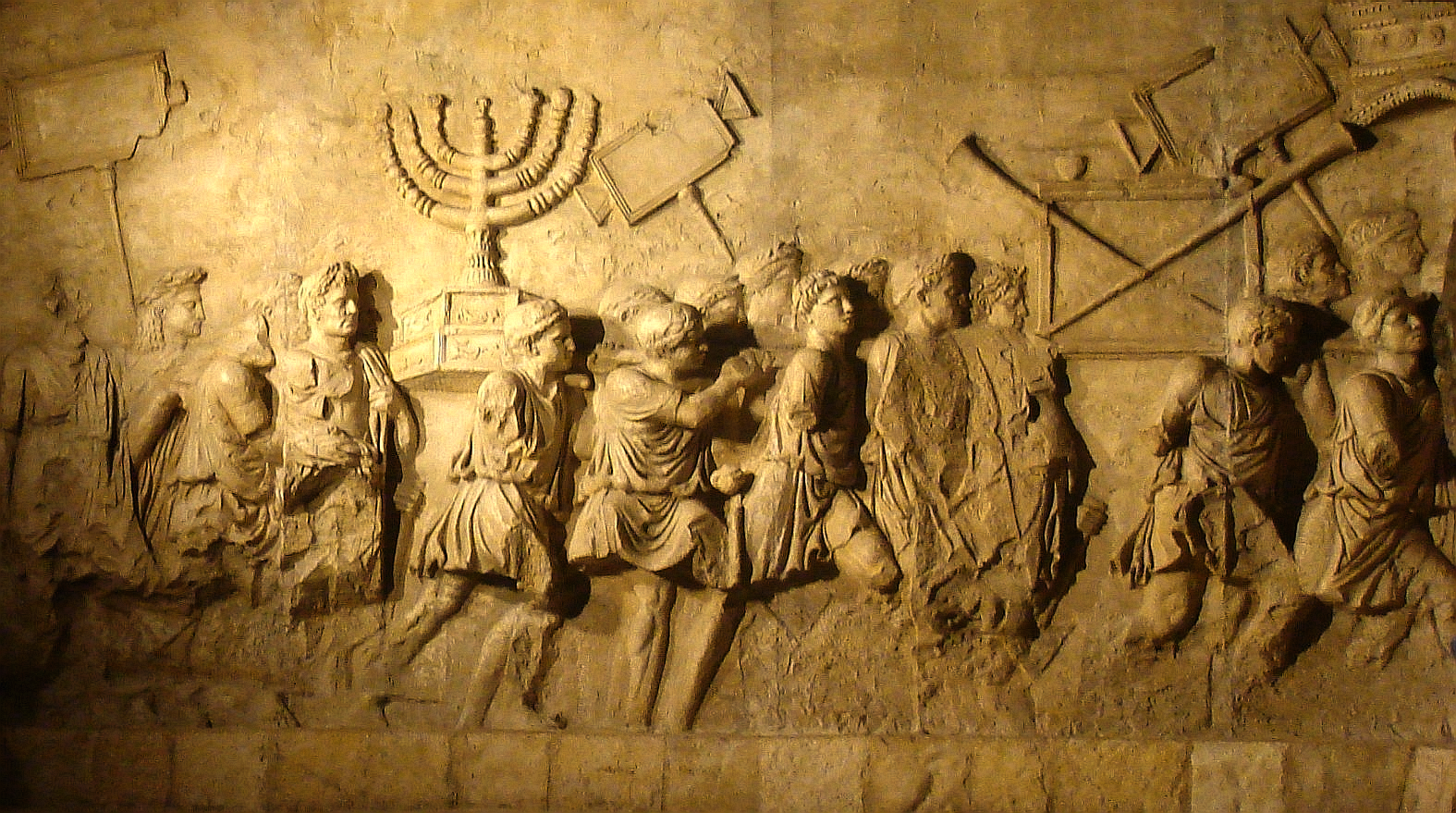
Jesus tied His coming to the violent collapse of that system (Matthew 24). When the temple fell in AD 70 at the hands of the Romans, the old covenant world ended with it. The priesthood was displaced, the sacrifices permanently ended, and total access to God was confirmed in Christ alone.
Vindication and "Delay"
For first-century believers, the parousia was intensely personal. They were accused by the Jewish establishment of following a false messiah and abandoning Moses. History reversed the verdict. Jerusalem fell. Christ was vindicated. His people were proven faithful.
Parousia and “Delay” Language
When the New Testament mentions "delay" (e.g., 2 Peter 3), it reflects covenant patience, not a postponement beyond the audience. God was holding back the Roman armies to give the final remnant of first-century Israel time to repent. Mercy preceded judgment within a single generation.
Why Futurism Fails the Text
Futurist readings require parousia to mean what it never meant:
- A silent two-millennia gap of unfulfilled promises.
- An audience completely mistaken about the timing of their own hope.
- Hebrew judgment language warped into literal astronomy.
None of this comes from the text. The parousia is not something modern Christians await. It is something the first-century church lived through.
New Creation Reality
Fulfillment does not remove Christ’s reign. It establishes it permanently. Christ is present. His authority is active. The old covenant world has passed.
The question is no longer “when will He come?” but “are we living as people shaped by His reign?”
